
All
How Outdoor Learning Builds Confidence, Teamwork & Wellbeing


How Outdoor Learning Supports Wellbeing: Lessons from the Field
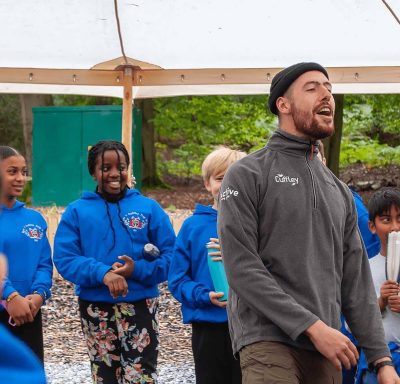
At Active Learning Centres, we see every day how the outdoors can spark confidence, inspire connection and help young people thrive. A recent gathering of researchers and educators hosted by the University of Exeter shed even more light on why nature-based learning works – and how it can play a vital role in supporting communication, teamwork and wellbeing.
A Whole-School Approach to Outdoor Learning
Jo Clanfield from Teach Outdoors has been working with schools to embed outdoor learning across the curriculum. Her pilot project showed that when schools commit to a consistent approach, children become more confident, connected and engaged – both in the classroom and outside it.
Inclusive Environments Start with the Basics
Jill Owens, a field tutor at the Cranedale Centre, shared practical ways to make outdoor experiences more inclusive. From simple changes around toilet access to openly discussing menstruation and gender needs, her session was a reminder that small details can make a big difference to student wellbeing.
Nature as a Source of Hope
Paul Martin from Devon Wildlife Trust presented his work on the Wildlife Champions programme – giving pupils the tools to take positive action for local wildlife. By encouraging agency and purpose, this approach helps tackle eco-anxiety and nurtures a mindset of ‘constructive hope’ among young learners.
Fieldwork with Wellbeing in Mind
Tom Humphreys from Skern Lodge explored how to balance the academic rigour of residential fieldwork with the emotional needs of students. From healthy food to supportive leadership, his tips showed how a few thoughtful touches can elevate the entire residential experience.
Practical Tips for Everyday Wellbeing
Rosie Molton from the Field Studies Council shared practical strategies to support the wellbeing of students and educators alike. Her suggestions are easy to apply across outdoor settings and show that small, thoughtful adjustments can have a meaningful impact.
Nature Connection and Young People
Dr Alexia Barrable’s team is currently analysing how nature connection influences children’s wellbeing. Their findings support what we often see at ALC centres – that time outdoors boosts self-esteem, focus, and emotional resilience.
Supporting Neurodiverse Learners in Nature
Dr Samantha Friedman highlighted the value of Forest School and outdoor learning for autistic children. Her research encourages a more inclusive approach to outdoor education, built around choice, safety and self-determination.
Structure That Supports SEND Learners
Amanda from The Outdoors Group emphasised the importance of structure in outdoor sessions for learners with SEND. Her team’s work shows how combining natural settings with clear expectations can dramatically improve mental health and engagement.
Encouraging Positive Biodiversity Experiences
Dr Bethan Stagg explored how students sometimes react negatively to elements of nature like bugs or brambles. Her work focuses on helping educators reframe these experiences, encouraging curiosity and a more positive attitude toward biodiversity.
Final Reflections
The themes from Exeter’s conference echo what we champion at Active Learning Centres: that outdoor learning is about more than curriculum. It’s about confidence. It’s about wellbeing. It’s about young people finding their place in the world through shared challenges, discovery and adventure.
Want to explore how ALC can support your school’s learning goals and student wellbeing?
Discover our programmes or Get in touch to start the conversation.
